

2·
2 months agoi’ll include:
- water, food and healthcare
- housing
- transport
- energy
- and IT and education
all at the communal level, responsible to the citizens
Contact me on matrix chat: @nikaaa:tchncs.de
i’ll include:
all at the communal level, responsible to the citizens
The amount of systemic change that needs to happen in the political and economic landscape realistically cannot happen in under four years from start to finish. It will require long-term investments in infrastructure projects that take years to build, which means at some point voters are gonna have to be patient and stop flipping sides whenever conditions don’t materially improve overnight.
In other words, we’re fucked…
yeah the US really needs to learn (possibly the hard way) that there needs to be a political plan for the industry. in the 20th century apparently it could do fine without that, but that just doesn’t work anymore. you can’t have efficient industry without a long-term plan.
yeah, IIRC, in 2000, renewable oil from rape seed was still cheaper than fossil oil. however renewable oil was banned politically sothat there’s no food vs fuel debate tearing society apart. the question really is more complicated than simply the cost.
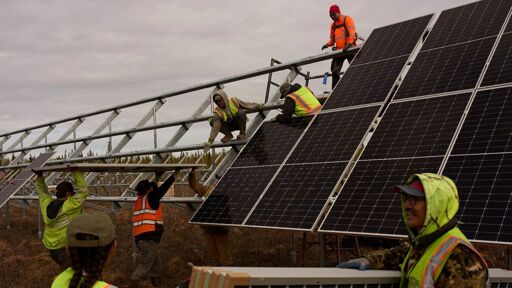
that being said, solar panels can be put anywhere, including near big cities, and transporting electricity over distances has also gotten easier in the last 200 years, so that’s not an argument for coal anymore.
ehh, the actual technology where liquid oil / fuels are required are like 3% of all total energy consumption. the rest 97% can be electrified, and actually, using electricity is in many cases even simpler than using coal. for example in steel production. it’s easier to do with electricity than coal because coal contains sulfur and that introduces impurities into your chemical process. meanwhile electrolysis is simple and clean.
NGL is yet another TLA (three letter acronym)
tell us what it means at least once!
space-based fusion technology
or maybe just something blunt like “fresh, renewable coal”. it’s family friendly and 100% jesus-conforming.


coincidence? i think not

well said
that being said, china subsidized solar panel production heavily for 20 years until they became economically self-sustaining. so there was a large amount of ideology involved i’d say.
so this mostly applies to the buyers of solar panels.

das ist ein guter punkt. vielleicht sollten fediverse-inhalte leichter einzubinden sein auf anderen websites.
die frage ist halt ob du über Xitter überhaupt jemanden erreichst. die wahrscheinlichkeit schätze ich nämlich hoch ein dass die beiträge vom algorithmus einfach nicht gepusht werden, d.h. die reichweite ist wahrsl gering und man schwimmt dann gegen den strom an.
besser ist es tatsächlich nützliche und hilfreiche kommunikationsplatformen zu verwenden. und das ist auch der erste wichtige schritt dahin.
von der CDU darf man keine schnelle anpassung an neue umstände erwarten …
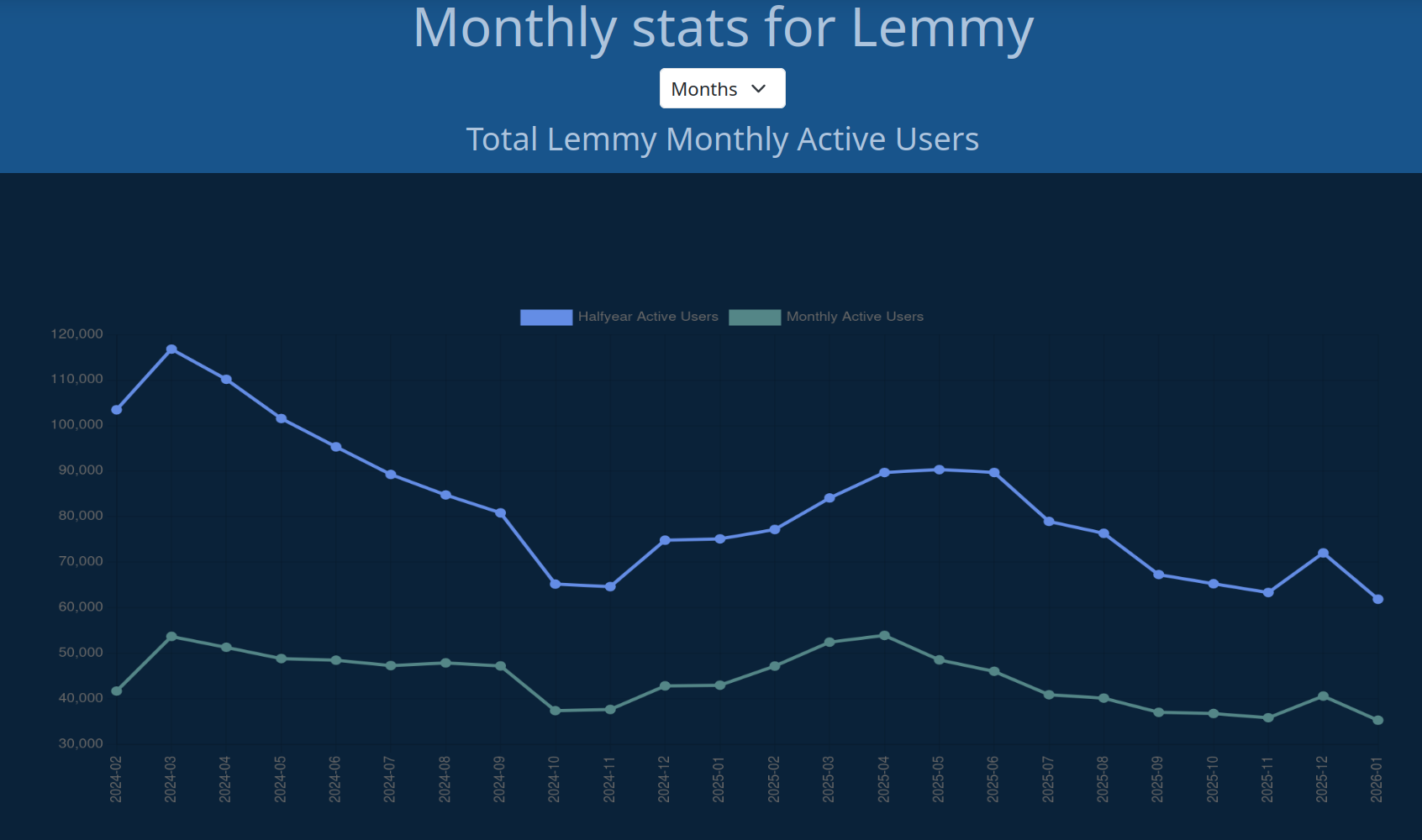
ich bin mittlerweile der meinung, lemmy ist besser als mastodon weil
wenn’s jeweils ne einzelne community ist dann lässt sich das auch gut blockieren … idealerweise bekommen wir irgendwann bessere content recommendation algorithms (CRAs) der dich entscheiden lässt überhaupt keine personen-/parteien-kulte hinterherzuhängen.
sehr gut. falls sie zum fediverse kommen würde ich mich freuen fleißig zu kommentieren!
Umweltverbände kritisieren die Maßnahme. Was sie wollen.
Ich würde gerne anmerken, dass ich kein Umweltverband bin aber trotzdem den Ausbau der Öffis fordere. Weil sie sind bequem, man steigt ein und fährt wohin, das kurbelt die Wirtschaft an wenn menschen unterwegs sind. Vielleicht kommen sie auf die Idee spontan was einzukaufen. “Wirtschaftspolitiker” bitte züge bauen.

it’s a type of ring of mushrooms all standing in a circle. it’s a natural phenomenon. pretty cool!
considering it’s mushrooms, they destroy some organic material, thereby releasing minerals into the environment which other plants absorb and grow faster that way.
I think the emphasis here should be on “gave everyone equal say”. That is still not the case today. Consider that children, foreigners, and some mentally ill cannot vote.
Until a few decades ago it was also customary that women can’t vote.
I think it’s not a difficult concept to come up with to collect all the people you know in a group and make decisions that way. Lots of societies historically did it that way. I’m pretty sure the germans had their Thing which is just a general assembly for general purposes (including making law). The main difference is that they only included people in the decision-making process who they thought were able to make good, meaningful decisions. Meanwhile today we include everyone in the process.
From giving majority credit for showing your full work in maths
i think every good maths teacher does it like that.
that’s exactly what a monopoly does. one should look into how to apply anti-monopoly laws on the housing market more effectively.
thank you for your comment. just to add to it:
If you have a 1 km² (one square kilometer, = 1 million square meters) area. And the law dictates that only single-family houses can be built on it, with a minimum lot size of 500 m² each, then assuming 4 people per house, you can build 2000 houses in that area or house around 8000 people.
If you allow multi-family houses. Such as i live in one in Austria. Close to the city. The house has a lot size of about 1000 m² (with a big park in the middle), and 25 people live in it. If you build houses like that, you can house around 25000 people. More than triple!







is already included, heating as energy (electricity and whatever fuel or gas you use to drive and heat) and internet access as IT (maybe should have called it IT and telecommunication services)