Technically, it doesn’t even stop them adding contributor code to a proprietary implementation if that WAS the case (which it clearly isn’t). They’d just need need the contributor agreement to pass ownership of any contributions to Canonical (which is generally in a lot of the agreements anyway, to protect against developers trying to sue later).


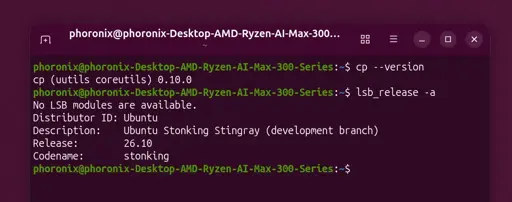
Actually, just to add to this…
Technically, it doesn’t even stop them adding contributor code to a proprietary implementation if that WAS the case (which it clearly isn’t). They’d just need need the contributor agreement to pass ownership of any contributions to Canonical (which is generally in a lot of the agreements anyway, to protect against developers trying to sue later).