Some people don’t like Rust language, its eco system and community and the MIT license at all. Combine them and replace core functionality of a popular distribution, that is enshittification for some. Even though the Rust programs are compatible.
I don’t mind MIT license and even do like Rust. But my personal problem with this decision in Ubuntu is, that these Coreutils tools in Rust are not proven yet and finished with 100% bug for bug compatibility and feature parity. So this is a premture decision in Ubuntu for my taste.
I like MIT for libraries, not a huge fan of it for core OS utilities because it just means they’ll be free to lock up features behind Ubuntu Pro or whatever it’s called. Eugh.
I’m not sure what you mean by that. They can lock things up behind paywall, if the license is GPL too. As long as any source code of it is online available. Which it is for the Rust Utils, that’s not in Canonicals hand. And if Canonical does make changes to their own version, then these are no longer compatible software with the GNU Utils. But the point is being compatible.
GPL doesn’t allow for closed source forks. MIT does. You can add extra features without removing compatibility, by adding new flags, etc. Though I do struggle to come up with what premium features cp, mv and rm in particular could be expanded with.
I don’t think that is a problem. As long as the GNU tools behave as the original ones, that’s okay. If someone wants to target Ubuntu extensions of the tools, they can. Also when did any Linux distribution anytime locked up their own version of MIT tools without sharing the source code?
It just feels like people are making up issues that aren’t.
Also when did any Linux distribution anytime locked up their own version of MIT tools without sharing the source code?
I mean RHEL has been kinda doing it with GPL for a few years. They share the code with you if you have a subscription, since they have to, but if you share it with anyone, they’ll void your subscription contract. With MIT you can skip that scheme altogether and just make version closed source.
Like… Why else would they use MIT here? They could have just used GPL for the Rust coreutils.


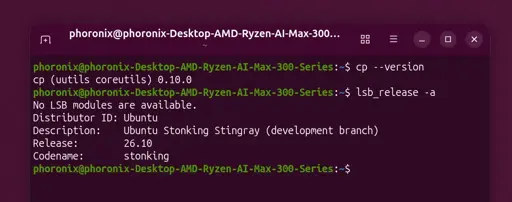
Some people don’t like Rust language, its eco system and community and the MIT license at all. Combine them and replace core functionality of a popular distribution, that is enshittification for some. Even though the Rust programs are compatible.
I don’t mind MIT license and even do like Rust. But my personal problem with this decision in Ubuntu is, that these Coreutils tools in Rust are not proven yet and finished with 100% bug for bug compatibility and feature parity. So this is a premture decision in Ubuntu for my taste.
I like MIT for libraries, not a huge fan of it for core OS utilities because it just means they’ll be free to lock up features behind Ubuntu Pro or whatever it’s called. Eugh.
I’m not sure what you mean by that. They can lock things up behind paywall, if the license is GPL too. As long as any source code of it is online available. Which it is for the Rust Utils, that’s not in Canonicals hand. And if Canonical does make changes to their own version, then these are no longer compatible software with the GNU Utils. But the point is being compatible.
So I don’t get the fear here.
GPL doesn’t allow for closed source forks. MIT does. You can add extra features without removing compatibility, by adding new flags, etc. Though I do struggle to come up with what premium features cp, mv and rm in particular could be expanded with.
I don’t think that is a problem. As long as the GNU tools behave as the original ones, that’s okay. If someone wants to target Ubuntu extensions of the tools, they can. Also when did any Linux distribution anytime locked up their own version of MIT tools without sharing the source code?
It just feels like people are making up issues that aren’t.
I mean RHEL has been kinda doing it with GPL for a few years. They share the code with you if you have a subscription, since they have to, but if you share it with anyone, they’ll void your subscription contract. With MIT you can skip that scheme altogether and just make version closed source.
Like… Why else would they use MIT here? They could have just used GPL for the Rust coreutils.
Because GPL is not compatible with everything.
GPL for separate tools is compatible with everything. It only becomes an issue if you’re shipping a custom version of a GPL tool.
If they tried that, other distro’s can also fork it and add those exact features in for free…