Honestly, nuclear does better for utilities level power than solar. Solar is great, but it’s not perfect. It requires a lot of lithium for batteries, and producing the panels puts carbon in the atmosphere.
Thorium makes sense for supplying metropolises and 24/7 heavy industry between sunset and midnight. Uranium doesn’t make sense because it’s rare and hard to mine. Daytime nuclear doesn’t make sense because solar is cleaner, cheaper, and decentralized. And it doesn’t make sense for smaller cities, towns, and rural areas because you need to waste a shit-ton of electricity transporting the power of one reactor long distances.
It’s easy to forget how wasteful it is to lose 90% of your electricity transporting it long distances when that is what all the 20th century infrastructure was built around. But there are tons of energy storage methods that don’t require lithium that are more efficient, provided the electricity is generated locally.
Nuclear is good for baseload, and although it is very clean, it isn’t quite carbon-free either. It’s also very expensive, unpopular, and has a lot of regulations. I agree it’s good and necessary, but solar and batteries are way cheaper and can go almost anywhere, so they’re way easier to deploy. With the pace of climate action we need, I don’t think it’s an either-or, we gotta do both, fast.
nuclear does better for utilities level power than solar.
Define “better.” Personally, I think nuclear is too expensive to be a current solution. Let all the existing nuclear plants continue out their useful lives, and extend them as feasible, but constructing new nuclear plants is probably not worth the cost, even compared to solar + enough grid scale storage to cover multiple nights of demand even when days are cloudy.
Terrapower just got approval to build their $4 billion, 345-MW reactor. That’s $11.6 million per MW.
NuScale canceled their 462 MW project in Utah when it became clear that the total cost was going to exceed $9 billion. That’s $19.5 million per MW.
Solar plants are about $1 million per MW. Grid scale 4-hour batteries are about $750,000 per MW.
And the costs of solar/batteries keep dropping, while nuclear tends to increase in cost over time.
Solar needs active maintenance, including personnel of varying skills. All projects have ongoing costs, especially if they’re gonna sit outside in the weather.
Better to just compare all costs, across the projected lifespan, and compare replacement costs if one source lasts longer than the other.
Doing all that tends to show that building new nuclear isn’t cost competitive. Not big reactors, not small reactors.
My point is you don’t need people with doctorate level education to run a solar plant, you occasionally need people with a technical level education to fix stuff, or near unskilled to clean
And if you need parts they don’t come with the x hundred percent markup for certification that nuclear has


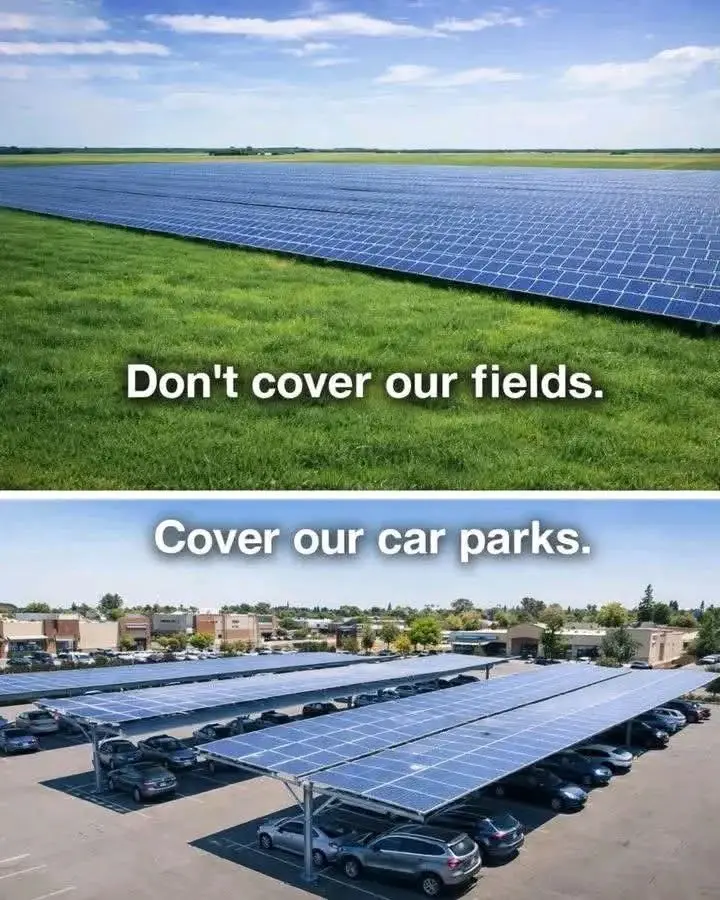
Honestly, nuclear does better for utilities level power than solar. Solar is great, but it’s not perfect. It requires a lot of lithium for batteries, and producing the panels puts carbon in the atmosphere.
Thorium makes sense for supplying metropolises and 24/7 heavy industry between sunset and midnight. Uranium doesn’t make sense because it’s rare and hard to mine. Daytime nuclear doesn’t make sense because solar is cleaner, cheaper, and decentralized. And it doesn’t make sense for smaller cities, towns, and rural areas because you need to waste a shit-ton of electricity transporting the power of one reactor long distances.
It’s easy to forget how wasteful it is to lose 90% of your electricity transporting it long distances when that is what all the 20th century infrastructure was built around. But there are tons of energy storage methods that don’t require lithium that are more efficient, provided the electricity is generated locally.
Nuclear is good for baseload, and although it is very clean, it isn’t quite carbon-free either. It’s also very expensive, unpopular, and has a lot of regulations. I agree it’s good and necessary, but solar and batteries are way cheaper and can go almost anywhere, so they’re way easier to deploy. With the pace of climate action we need, I don’t think it’s an either-or, we gotta do both, fast.
Define “better.” Personally, I think nuclear is too expensive to be a current solution. Let all the existing nuclear plants continue out their useful lives, and extend them as feasible, but constructing new nuclear plants is probably not worth the cost, even compared to solar + enough grid scale storage to cover multiple nights of demand even when days are cloudy.
Terrapower just got approval to build their $4 billion, 345-MW reactor. That’s $11.6 million per MW.
NuScale canceled their 462 MW project in Utah when it became clear that the total cost was going to exceed $9 billion. That’s $19.5 million per MW.
Solar plants are about $1 million per MW. Grid scale 4-hour batteries are about $750,000 per MW.
And the costs of solar/batteries keep dropping, while nuclear tends to increase in cost over time.
And the solar doesn’t need nuclear industry staff, and doesn’t need nuclear industry certified parts, and doesn’t produce radioactive waste
Solar doesn’t need to refuelled
Solar needs active maintenance, including personnel of varying skills. All projects have ongoing costs, especially if they’re gonna sit outside in the weather.
Better to just compare all costs, across the projected lifespan, and compare replacement costs if one source lasts longer than the other.
Doing all that tends to show that building new nuclear isn’t cost competitive. Not big reactors, not small reactors.
My point is you don’t need people with doctorate level education to run a solar plant, you occasionally need people with a technical level education to fix stuff, or near unskilled to clean
And if you need parts they don’t come with the x hundred percent markup for certification that nuclear has