- 394 Posts
- 1.41K Comments


 2·17 hours ago
- Akzeptanz. Menschenähnlich aussehende Systeme wirken weniger gefährlich. Sind es aber nicht, denn bei Kontrollverlust herrschen erhebliche Geschwindigkeiten und Kräfte, und wegen ihrer mechanischen Instabilität und vielen Gelenke sind humanoide Roboter erheblich schwieriger zu kontrollieren als Industriegeräte. Ich würde mich lieber neben einem psychotischen, delirierenden Wrestler mit Morgenstern und Hellebarde aufhalten als neben einem durchdrehenden humanoiden System.
- Wie bei der “KI” kann man damit Arbeitnehmern drohen, sie billig zu ersetzen. Absolut lächerlich, wenn man bedenkt was z.B. Krankenpfleger oder Frisörinnen verdienen im Vergleich zu den Kosten solcher Roboter.

 1·2 days ago
Looks like LLM companies are not only trying to push adoption of their stuff everywhere - wether that might make sense or not - but also are trolling communities which are putting or want to put some sensible limits on that (see discussions around GNOME or KDE).
The fact that a lot of companies are taking crazy pills does not mean that FOSS projects have to do the same.
And the idea that using LLMs for eveything is mandatory is increasingly getting a religigous note. It is absolutely correct to ake a step back - like GKH did here - and access what is helpful or not.
And it is absolutely necessary that communities put limits and boundaries on things that are not helpful.
So it feels like the biggest problem will arose for setups where people drive this fully autonomously where bug fixes also are implemented autonomously.
Completely irrelevant for the kernel and mostly marketing of LLM companies.
 1·2 days ago
Nvidia is linux compatible hardware
Then why keep people complaining it doesn’t work?
Hier die Fieberkurve mit der Temperatur der Weltmeere:
https://climatereanalyzer.org/clim/sst_daily/?dm_id=world2
Eigentlich müssten bei allen Verantwortlichen auf dem Raumschiff Erde die Alarmglocken schellen. Das ist ein Notfall. Die Hitzetoten hier, Nepal, Valencia, Acapulco, die Brände in Europa und die Überschwemmungen in Bangkok und Henan sind nur der Anfang. Es wird jedes Jahr schlimmer.
Think before you buy?

Auch witzig, dass die Proteste als “gewalttätig” beschreiben werden den, wenn die Gewalt von der Polizei ausgeübt wird. Erinnert irgendwie an Lützerath.


But to be honest, TempleOS is way cooler.
While plan9 is Unix tidied up a bit.
Look at distrowatch.org.
Myself, I am using plain old Debian stable since about 17 years, after using SuSE and a bit of Ubuntu since 1998 or so.
I also use a bit of Arch and Guix when it comes handy.
So, I am a boring guy.
But back to your question: What du you want? What is your goal?
Buy Linux-compatible hardware. NOT NVidia.
 151·3 days ago
Fuck NVidia. I saved so much time since I bought an AMD Radeon card.
In den USA werden gelegentlich Leute durch Kontakt mit wilden Nagern infiziert (und kriegen dann Behandlung).
Was wirklich scary ist, ist Tollwut. Unheilbar, sobald Symptome auftreten, und 100% tödlich, aber es kann Monate dauern bis die Krankheit sich zeigt.
Wie benutzt man Wero ohne Android oder iPhone? Gibt es ne App für Linux Handys, z.B. Sailfish OS? Oder nur mit Smartcard?
Und wie ist abgesichert, dass nicht früher oder später Google einfach Wero kauft, ähnlich wie die Chinesen KUKA gekauft haben?
Here a comment on this from usernomdeguerre on hacker news (ycombinator.com).
“His” and “GKH” refers to Greg Kroah-Hartmann, who is maintainer of the stable kernel series and the speaker in the video.
I’ve included a few slides into text that i thought were eye-opening to me:
From his Kernel Recipes 2026 slide on Mythos
  Mythos's 79 vulnerabilities:
  24 - no detail at all "something crashed"
  14 - not a bug at all
  3 - totally made up data
  15 - already fixed in latest release
    - 11 by others
    - 4 by anthropic
  20 - fixes were needed
    - 7 "assume a malicious filesystem image"
    - 2 "assume you can inject a malicious network packet into the middle of the stack"
    - 2 "NOMMU"
    - 6 sctp networking issues for untrusted devices
    - 2 ipv6 minor network issues
    - 1 gpu driver for local malicious user
GHK called this “10 ‘real’ bugfixes”, which to me sounds like there’s a wild hype machine around these companies and uncritical parroting of every press release they make that falls apart when you engage the affected real experts.

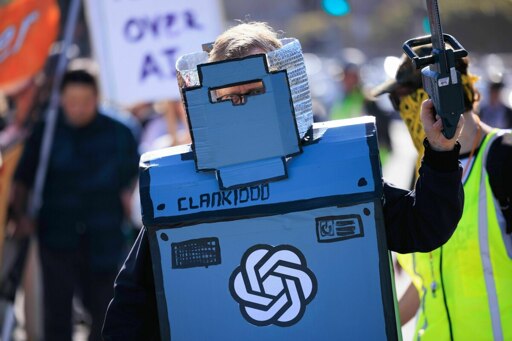
Eine Software, die sich selbständig macht, die nicht die erwünschten Ergebnisse liefert oder sogar Schaden anrichtet, ist ein defektes Produkt, keine Meisterleistung. Die großen KI-Firmen wie Anthropic und OpenAI produzieren in großem Stil Malware. Sie versuchen, die Verantwortung für ihre schlechten Produktionsstandards nach außen zu geben, indem sie behaupten, es ginge nicht anders. Indem sie vor einem fiktiven zukünftigen Weltuntergang warnen, versuchen sie, andere zum Handeln zu zwingen.
Tatsächlich produziert ihre Software aber nicht nur virtuelle Schäden, sondern sie bedroht die Existenz der Menschheit ganz unmittelbar. Große Sprachmodelle sind extrem ineffizient und ihr inzwischen allgegenwärtiger Einsatz verstärkt die sehr reale und gegenwärtige Klimakrise. Ihr Flächenverbrauch ist so riesig, dass ihr geplante Größe schon zum Teil damit angegeben wird, wie viele „Manhattans“ sie umfasst. Ihr Energieverbrauch ist so enorm, dass weltweit Dutzende neue fossile Kraftwerke geplant sind und ihr Wasserverbrauch bringt einige Gemeinden an ihre Grenzen.
Super auf den Punkt gebracht!
Und noch ein ganz anderer Aspekt:
Diese Fixierung auf “KI” (LLM Algorithmen) kann die Menschheit wirklich gefährden, wenn wir deswegen die dringende Gefahr Klimawandel ignorieren.
Wir wissen genau, was da als nächstes zu tun ist. Es ist nur nicht bequem für die Superreichen oder profitträchtig für die fossilen Grossunternehmen.
Meiner Meinung nach ein anderer Aspekt der “unsere KI ist so intelligent und gefährlich, die wird uns alle umbringen!!!” Rufe:
Das bewirkt auch eine Verlagerung von Verantwortung.
Statt “wir haben eine schrottige unsichere Software gebaut, die” …
- autonom Auto fährt, aber Radfahrer nicht erkennt, die ihr Fahrrad schieben (Tesla)
- ein Cruise Missile in den Iran steuert, aber eine Grundschule voller Kinder mit einer Militärbasis verwechselt
- Krankenhäuser für Terroristen hält (Palantir)
- die Firmware der Motoren von Meier Maschinenbau & Co mal eben komplett umschreibt, so dass niemand mehr sie verstehen, reparieren oder warten kann
- schrottige, vor Fehlern strotzende Medizinsoftware produziert (CompuGroup Europe)
- über “Trainingsdaten” den Datenschutz weitgehend aushebelt
- oder Fehler in Flugsoftware wie die Boeing 737 Max
- immer verschrobenere Fehler in PKW Software
- usw usw
wird gesagt: “Tja, KI, zu intelligent, kann man nix machen”.
Und das vor dem Hintergrund, dass die rechtliche und regulatorische Entwicklung in der EU eigentlich genau in die andere Richtung geht - die Position ist “Software ist ein Industrieprodukt wie andere Produkte auch, und der Hersteller muss Mängel zeitnah beheben und für Schäden haften”.
Dieses Einfordern der Herstellerhaftung (die sonst für jedes Produkt auf dem EU Markt gilt, vom Kinder-Dreirad bis zum Großkran) gefährdet das verantwortungslose Geschäftsmodell der LLM Anbieter.
I found keyboard layout switching to be too much friction.
I am programming in English and writing in English and German. What I use now is the UK international layout with dead keys. Plus compose key bindings for less frequently used symbols like € or °. This allows me to keep the same layout everywhere, which makes my life easier - and typing faster.