

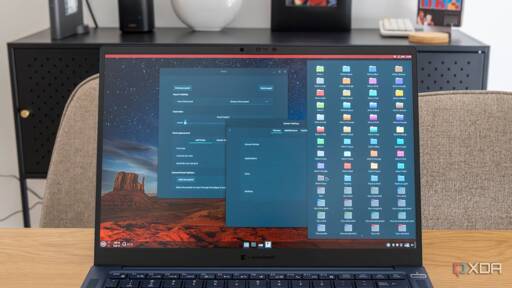
I’ve been having a big think over Linux distros. See, I’ve been looking back at my still-new Linux experience of nine months, and wondering how my own journey can help other people get started with FOSS operating systems. Whenever the topic of a Windows refugee-friendly OS came up, I would recommend Linux Mint because, first, it’s the one everyone says, and second, it was the Linux OS that I started with, fresh off Windows.
I always follow that up with a comment about how you don’t have to stick with Linux Mint if you don’t want to. You can do what I did, which is to dip your toe into the Linux distro water and find something that suits you better. But if I’m setting up Linux Mint as “my first Linux distro,” why not just skip the middleman and get right into the distros that have a bit more meat on them?
If there’s one thing the majority of people that are still on windows won’t care about is “being as up to date as possible”. Hell, even people on android phones complain about updates, “they changed everything, I have no idea where is what!”
Mint being based on a LTS that lasts a while is a desired feature for a lot of people, the kind that don’t follow tech news and don’t want to bother understanding computers.
The people who don’t want any change aren’t going to move to Linux anyway. I meant more the people who stayed this long for games, but are now giving up.
But also these updates very rarely change the UI significantly in most applications and desktop environments. It’s more bug fixes and performance improvements that you’re missing out on by being on Mint.
I’m on TumbleWeed and I don’t remember the last time the UI for my desktop or any application I use, had a significant change. But I’m always on a new kernel and new graphics drivers, which makes playing newish games using Proton a smoother experience.