LEO is not a permanent orbit. There’s atmospheric drag. I believe Starlink satellites deorbit in 5 to 10 years. Oldest ones are already falling back to earth (burning in the atmosphere)
While true, they continuously replenish the ones that fall back to earth. I wouldn’t be surprised if their current launch pace is higher than the amount falling out of orbit. That’s not even mentioning the impact they have on ground-based astronomy.
No, I’m simply calling you out for injecting your personal politics in a discussion about near-collision of two satellites. Please keep that to political communities and let the rest of us have a moment of peace from all that. This is a technology community.
Did I say anything to argue otherwise? Since you brought it up, internet infrastructure grants should go to fiber PUDs and not a billionaire nazi. Then, there’s no need to have satellites. He’s polluting the skies for profit.
This is a problem as well. As the satellites deorbit they vaporise, leaving aluminium oxide nanoparticles (and other metallic gases, volatiles etc) in the atmosphere, destroying ozone and building up over decades.
So it’s not just the light pollution, or the ruining of ground based astronomy. Or even the dangerous amount of clutter polluting LEO, making spaceflight even more risky. Starlink is bad news for the environment, but it’s to be expected since we’ve seen how carelessly spacex have destroyed the ecosystem in Texas.


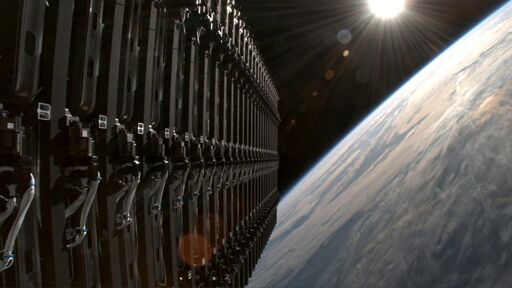
LEO is not a permanent orbit. There’s atmospheric drag. I believe Starlink satellites deorbit in 5 to 10 years. Oldest ones are already falling back to earth (burning in the atmosphere)
While true, they continuously replenish the ones that fall back to earth. I wouldn’t be surprised if their current launch pace is higher than the amount falling out of orbit. That’s not even mentioning the impact they have on ground-based astronomy.
Satellites are obviously needed for satellite internet.
deleted by creator
And what does this have to do with the topic at hand?
deleted by creator
The discussion is about satellite orbits.
deleted by creator
No, I’m simply calling you out for injecting your personal politics in a discussion about near-collision of two satellites. Please keep that to political communities and let the rest of us have a moment of peace from all that. This is a technology community.
Did I say anything to argue otherwise? Since you brought it up, internet infrastructure grants should go to fiber PUDs and not a billionaire nazi. Then, there’s no need to have satellites. He’s polluting the skies for profit.
This is a problem as well. As the satellites deorbit they vaporise, leaving aluminium oxide nanoparticles (and other metallic gases, volatiles etc) in the atmosphere, destroying ozone and building up over decades.
So it’s not just the light pollution, or the ruining of ground based astronomy. Or even the dangerous amount of clutter polluting LEO, making spaceflight even more risky. Starlink is bad news for the environment, but it’s to be expected since we’ve seen how carelessly spacex have destroyed the ecosystem in Texas.